
/ Mimar insights
Vision 2030 Architectural Visualization for Riyadh Real Estate Launches
Vision 2030 architectural visualization for Riyadh launches: gated communities, Wafi and REGA marketing rules, Najdi style in 3D and expo-ready renders.
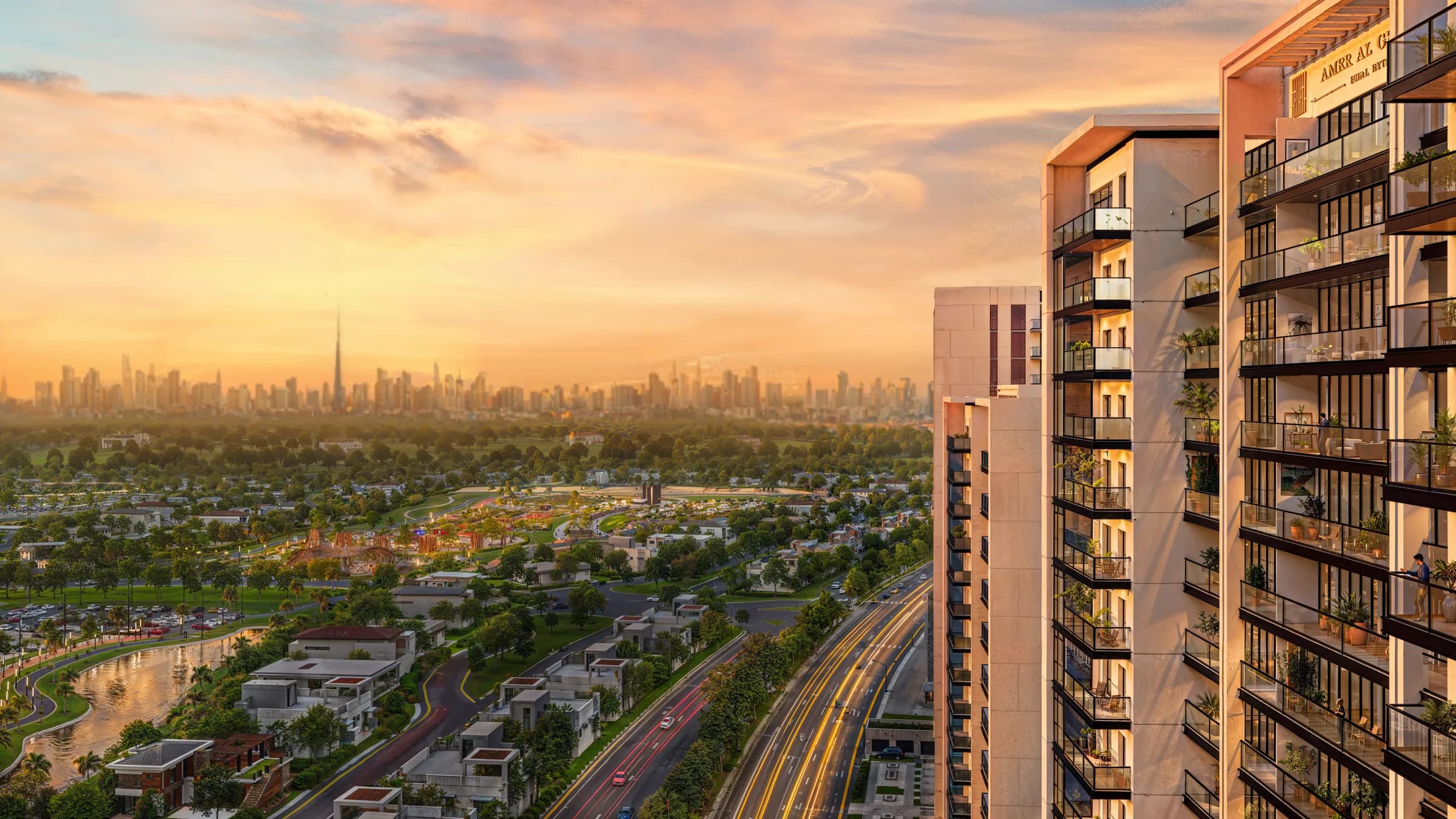
Vision 2030 architectural visualization has become a core part of how real estate is launched in Riyadh. The capital is growing fast, with new communities, commercial avenues and mixed-use districts reaching the market. Developers need visuals that sell homes, respect local identity and follow the rules for marketing off-plan property. This article explains how to plan renders for Riyadh launches with all three in mind.
Key takeaways: Vision 2030 architectural visualization
Riyadh's growth under Vision 2030 has created strong demand for launch-ready visuals.
Gated communities and commercial avenues need visuals at several scales.
Off-plan marketing in Saudi Arabia follows rules set through the Wafi program and REGA.
Najdi-inspired design is shaping a distinctive contemporary style in Riyadh.
Billboards and expos need high-resolution images planned for large formats.
Supporting Saudi Arabia's Vision 2030 Transformation
Vision 2030 set out to diversify the Saudi economy and improve quality of life. Housing, tourism, entertainment and new urban districts are central to that plan. Riyadh, as the capital and largest city, has seen a wave of residential and commercial projects as a result.
For developers, this creates opportunity and competition. Many projects launch in the same period, often targeting similar buyers. Vision 2030 architectural visualization helps a project explain what makes it different, whether that is its location, its community facilities or its design.
Visualizing Gated Communities and Commercial Avenues in Riyadh
Gated communities remain popular in Riyadh, especially with families. Buyers want to see the entrance, the streets, the parks, the mosque, the schools and the homes. Aerial views show how these pieces fit together. Our aerial visualization is often the first image buyers see.
Commercial avenues and mixed-use districts need a different approach. Here the street experience matters most: shaded walkways, shopfronts, cafes and evening activity. Ground-level views at dusk, when Riyadh's streets come alive, often tell the story best.
Connectivity is a selling point in both cases. Riyadh's new metro and road projects are changing how people think about location. Where a project is near a station or a major road, an aerial or diagram view showing that connection can be one of the most persuasive images in the set. It answers a question every buyer asks: how long will it take me to get to work, school or family?
Wafi and REGA Rules for Off-Plan Marketing in Saudi Arabia
Selling off-plan property in Saudi Arabia is regulated. The Wafi program covers off-plan sales, and projects generally need approval through it before they are marketed or sold, with buyer payments protected through escrow arrangements. The Real Estate General Authority (REGA) oversees the sector and has issued rules on real estate advertising.
For visualization, this has practical consequences. Marketing images should reflect the approved design closely, because they form part of what buyers rely on. Claims in captions and films should match the project's approvals. Details change over time, so developers should confirm the current requirements with REGA and their legal advisers before a campaign goes live.
Vision 2030 architectural visualization works best when the studio and the developer's compliance team agree early on what will be shown. That avoids last-minute changes to a finished campaign.
A simple checklist helps. Before production, confirm which design version is approved, which amenities can be shown, how phases will be labeled and what disclaimer text will appear. During production, keep a record of the drawings each image was built from. That record makes it easy to show, if anyone asks, that the marketing matched the approved project.
Najdi Style Meets Modernism in Vision 2030 Architectural Visualization
Riyadh's architectural identity is drawing on its Najdi heritage. Traditional Najdi buildings use thick earth walls, small deep-set openings, triangular patterns and crenellated parapets, arranged around shaded courtyards. The restored At-Turaif district in Diriyah shows this style at its most famous. In recent years, Riyadh has encouraged a contemporary style that reinterprets these traditions, often called Salmani architecture.
Rendering this style well takes care. Earth-toned plaster needs subtle texture and color variation. Triangular openings and patterned screens need correct depth and shadow. Proportions must feel right to Saudi viewers, who know these forms well. Vision 2030 architectural visualization that gets these details right shows buyers that the design genuinely belongs in Riyadh.
High-Resolution Renders for Billboards and Expos
Riyadh campaigns often use large billboards along major roads and stands at property exhibitions. These formats need images planned for scale. A render that looks sharp on a phone can look soft on a billboard many meters wide.
Planning for large formats means higher resolution, simpler compositions and a clear focal point that reads from a distance. Expo stands also benefit from films on large screens and interactive tools that let visitors explore the project. Producing these from the same model keeps every format consistent.
Timing is the other challenge. Exhibitions in Riyadh have fixed dates, and printing large formats takes time. Working backward from the event date, with buffers for approvals and printing, avoids rushed images. Studios that plan large-format work early can also prepare alternative crops for different stand sizes and road billboards.
Vision 2030 Architectural Visualization: Riyadh Market Considerations
The Riyadh market has its own expectations. Families value privacy, separate formal and family spaces, and outdoor areas they can use comfortably in the evening. Images should reflect how Saudi families actually live, with appropriate styling and people.
Climate shapes the visuals too. Summer heat means shade, courtyards and landscaped streets are selling points. Showing outdoor spaces in the evening, when they are used most, is both attractive and honest. Bilingual materials are standard, with Arabic and English versions of captions, films and brochures.
Mimar Studios works with developers in Riyadh, Jeddah and across Saudi Arabia from our office in Jeddah. Our Saudi work includes NANA 222, a contemporary development in Riyadh. We work the Sunday to Thursday Gulf week, and a single still render is typically delivered within 5-7 working days of approved inputs. Learn more about our 3D visualization services in Saudi Arabia and our wider 3D visualization work.
Vision 2030 architectural visualization is about more than attractive images. It connects a project to Riyadh's identity, follows the rules that protect buyers and gives families a clear picture of the life they are investing in.
Frequently asked questions
- What is the Wafi program in Saudi Arabia?
- Wafi is the Saudi program that regulates off-plan property sales. Projects generally need approval through it before they are marketed or sold, and buyer payments are protected through escrow arrangements. Developers should confirm current rules with REGA.
- Do marketing renders in Saudi Arabia need to match the approved design?
- They should. Buyers rely on marketing images when buying off-plan, and REGA has issued rules on real estate advertising. Keeping renders close to the approved design and confirming requirements with legal advisers avoids problems later.
- What is Najdi architecture?
- Najdi architecture is the traditional building style of central Saudi Arabia, using thick earth walls, small deep openings, triangular patterns and shaded courtyards. Diriyah's At-Turaif district is its best-known example, and modern Riyadh projects increasingly reinterpret it.
- What visuals does a Riyadh gated community launch need?
- Most launches need an aerial view of the community, images of the entrance, streets and parks, key facilities such as the mosque and school, and interiors of the main home types. Bilingual films and brochures are usually expected.
- How are billboard renders different from normal renders?
- Billboard images need much higher resolution and simpler compositions with a clear focal point that reads from a distance. They should be planned for the large format from the start rather than enlarged from a smaller image.
Related reading
Mimar Studios is a 3D architecture firm working with developers in the USA, the Gulf and Pakistan.
Discuss a project