

/ Mimar insights
Architectural Visualization for Real Estate Developers: Why US Firms Are Investing More
Why US developers now budget for architectural visualization for real estate developers: stronger lender decks, clearer zoning reviews, earlier sales.
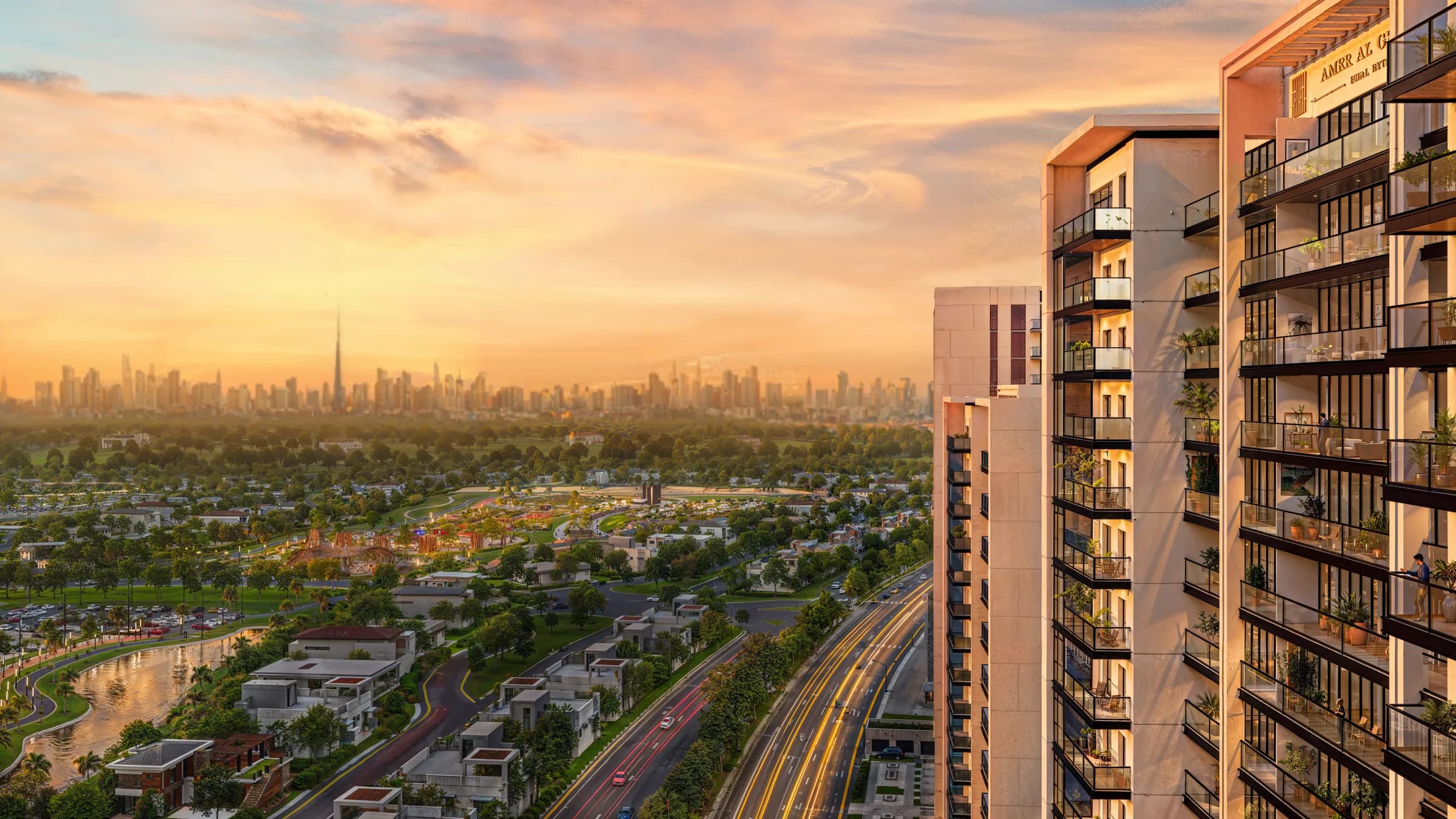
Architectural visualization for real estate developers has moved from a marketing extra to a planned line in most US project budgets. Developers now commission photorealistic renders and animation long before ground is broken. They use them to raise capital, explain a scheme to planning boards and start selling homes early. This guide explains why spending is rising across the USA and how to budget for it sensibly.
Key takeaways: architectural visualization for real estate developers
Renders turn technical drawings into images that lenders, boards and buyers understand in seconds.
Capital has become more selective, so a clear visual case for a project carries more weight.
Public reviews in US cities depend on residents and officials understanding a building's scale.
Pre-construction sales rely on buyers trusting a home they cannot visit yet.
Complete drawings and a clear brief keep visualization costs and timelines predictable.
The Shifting Capital Dynamics in USA Real Estate
Since 2022, higher interest rates have made lenders and equity partners more selective about the projects they back. A developer now competes harder for the same pool of money. Investment committees see many decks, and most of them look alike.
Good visuals help a project stand out for a simple reason. Few people on a credit committee read floor plans fluently. A photorealistic exterior, a street-level view and a typical unit interior show them the finished product immediately. That shortens the time spent explaining what the building is, and leaves more time for the numbers.
The same images keep working after the meeting. Partners forward decks to colleagues who never heard the presentation. A clear set of renders explains the project without the developer in the room. Over a long fundraising process, that consistency is worth more than any single image.
De-risking Lender Pitch Decks with Photorealistic Renders
Lenders want to understand risk, and uncertainty about the end product is a risk. Accurate renders reduce that uncertainty. They show massing, materials, amenities and how the building sits on its street. Architectural visualization for real estate developers works best here when it is honest. Images that match the drawings build trust, while flattering images that the design cannot deliver damage it.
A strong pitch deck usually needs only a few images. One hero exterior, one aerial or context view and one or two interiors cover most questions. Each image should answer something a lender will ask, such as how the project compares with nearby competition.
Zoning and Permit Reviews in Major USA Cities
Large projects in US cities often pass through public review. Planning commissions, design review boards and neighborhood meetings all ask the same question: what will this look like from the street? In New York, for example, community boards weigh in on land use applications. The Landmarks Preservation Commission reviews changes to designated buildings and historic districts.
Visuals help these conversations stay factual. A view from a resident's corner, drawn at the correct height and with the real neighbors, answers concerns better than a section drawing. It also shows that the team has nothing to hide. Renders do not guarantee approval, and no studio should promise that. They do help reviewers judge the actual proposal rather than a worst-case guess.
For review work, accuracy matters more than mood. Camera positions should be realistic eye-level views, and surrounding buildings should be modeled faithfully. Any landscaping should reflect what will actually be planted at opening, not in twenty years.
Pre-Construction Sales: Architectural Visualization for Real Estate Developers
Many US condominium projects sell a large share of units before construction is complete. Miami is the best-known example, but pre-construction sales are common in most large markets. Buyers in this position are committing to a home they cannot walk through. Renders, animations and virtual tours are what they rely on instead.
The visuals for sales differ from those for lenders. Buyers care about light, views, finishes and how a room feels. A sunset view from a typical balcony may persuade more than a dramatic aerial. Interiors should show realistic furniture at a believable scale, so buyers can picture their own lives there.
Converting Off-Plan Buyers Before Breaking Ground
A sales center or website often combines several formats. Still images lead the brochure, a short animation runs on screens, and an interactive tour lets buyers explore a unit at their own pace. Our VR and 360 tours give buyers that freedom on a phone, a laptop or a headset.
Consistency is what converts. When the brochure, the film and the tour show the same finishes and the same view, buyers stop wondering what is real. Inconsistent images make them hesitate. That is one more reason to plan architectural visualization for real estate developers as one coordinated set rather than as separate orders.
Budgeting Architectural Visualization for Real Estate Developers in the USA
The cost of visualization depends on scope more than on any fixed price list. These factors drive most budgets:
How many views you need, and how many are interiors, which take longer than exteriors.
Whether you need animation, and how long the film runs.
How complete the drawings and material specifications are when work starts.
How many rounds of revisions the brief allows.
Complete inputs save the most money. A studio that receives final drawings, a material schedule and reference images can work quickly and accurately. Missing information leads to guesses, and guesses lead to revisions. At Mimar Studios, a single still render is typically delivered within 5-7 working days of approved inputs. We work from imperial drawings for US clients, so dimensions stay exactly as the architect drew them.
Our US work includes Nomi Downtown, a mixed-use development in Miami, and The Garden Residences. You can see these in our projects. Our 3D visualization services in the USA cover stills, animation and interactive tours for developers in New York, Los Angeles, Dallas, Houston and Miami. To discuss a brief, start with our 3D visualization team.
Architectural visualization for real estate developers is now part of how US projects get financed, approved and sold. Planned early and kept accurate, it costs far less than the delays and doubts it prevents.
Frequently asked questions
- How much does architectural visualization cost for a US real estate project?
- Cost depends on the number of views, the share of interiors, any animation and how complete the drawings are. A short brief with a few exterior stills costs far less than a full sales package with film and tours, so ask for a quote against a written brief.
- When should developers in the USA commission renders?
- Most developers commission a first set during financing, once massing and materials are settled. A second, more detailed set usually follows for sales. Starting early lets the same 3D model serve lenders, planning reviews and marketing, which saves time and money.
- Do renders help a project get zoning approval?
- Renders cannot guarantee approval, and no studio should promise it. Accurate eye-level views do help boards and residents judge the real proposal, which keeps public reviews focused on facts rather than worst-case assumptions about height and bulk.
- What does a visualization studio need from a developer to start?
- A studio needs the architectural drawings, ideally as CAD or BIM files, plus elevations, a material schedule and reference images for the look you want. Site photos and the camera views you have in mind also help the first draft land closer to the final.
- Can pre-construction renders be used in sales material?
- Yes, renders are standard in pre-construction sales across the USA. They should match the approved design closely, and most developers add a note that images are artist's impressions. Check the disclosure rules in your state with your legal adviser before launch.